Crusher and Fine grinder of Kanematsu KGK Co., Ltd.,

pagetop

LITHIUM-ION BATTERY

Crusher and Fine grinder

In the electrode material manufacturing process, various types of Crusher or Fine grinder are used to reduce the material to the required particle size and improve uniformity. Fine, uniformly graded electrode materials increase surface area and improve reactivity. KGK can offer a variety of equipment to meet your needs.

Examples For coarse grinding

images

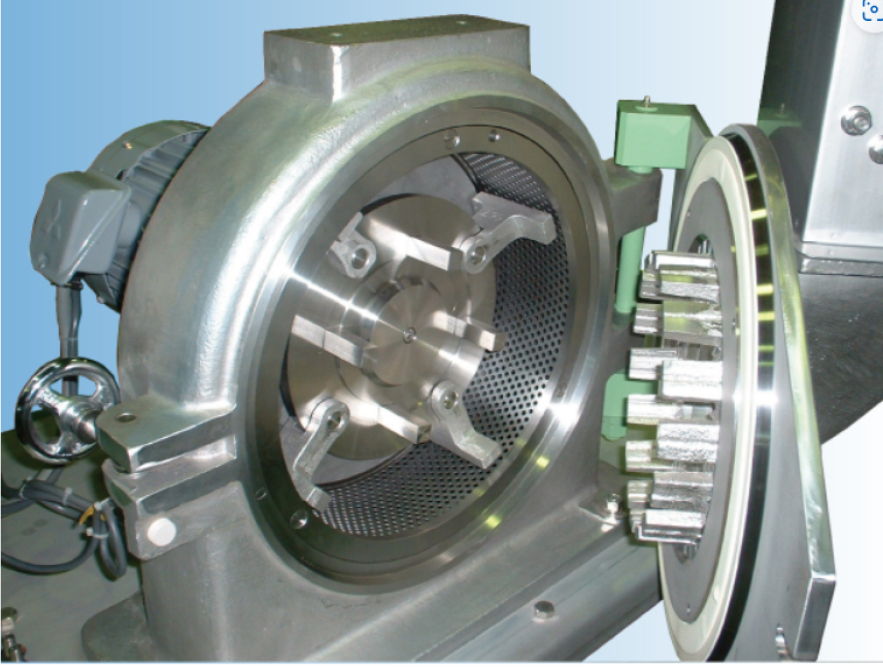
Hammer Mill
(Features)
Hammer mills use rotating hammers (metal rods) to smash materials into small pieces. As a mill for granulating small lumps, it has a large processing capacity and is efficient. Another feature is low running cost due to low energy consumption.The particle size can be easily adjusted by changing the size of the screen and rostle, and since the bearings and main body are separate, the machine can handle materials as hot as 200°C.

Unique technology Airflow classifier

images

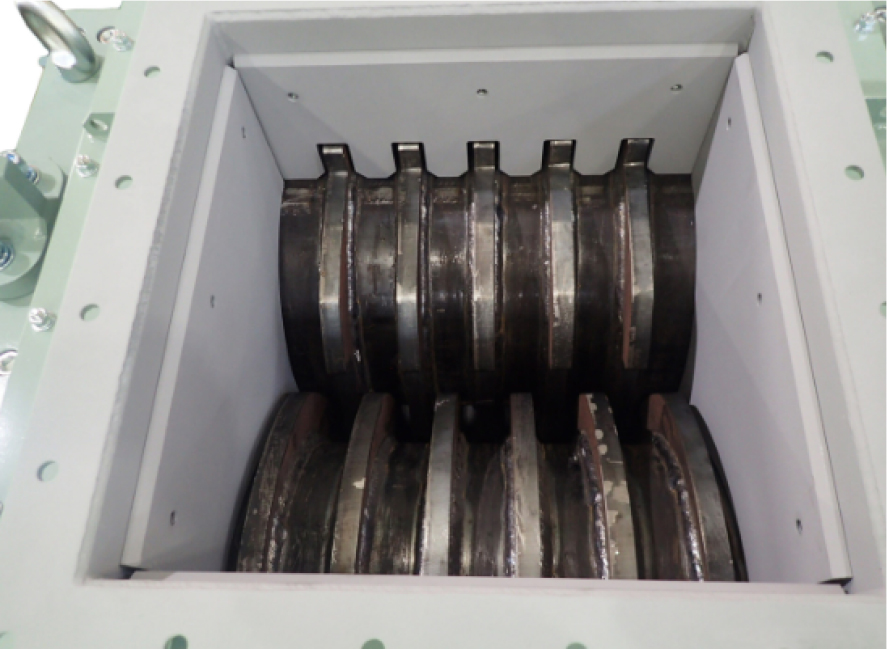
Roll Crusher
(Feature)
The roll crusher uses two or more rotating rolls (cylinders) to compress and crush materials. This structure enables efficient crushing of large quantities of materials. In some cases, materials crushed by a hammer mill are further ground into smaller pieces, but recently we have seen cases where a roll crusher is used after firing.The roll crusher can control the fineness of crushing by adjusting the gap between the rolls to obtain uniform crushing results.In addition, the rotation of the rolls compresses the material, generating a strong compressive force. This allows even hard electrode materials and high-density materials to be effectively crushed.Since crushing is performed using rotational motion and compressive force, it is said to offer the opportunity to work with relatively low energy consumption.

For Fine Grinding

images

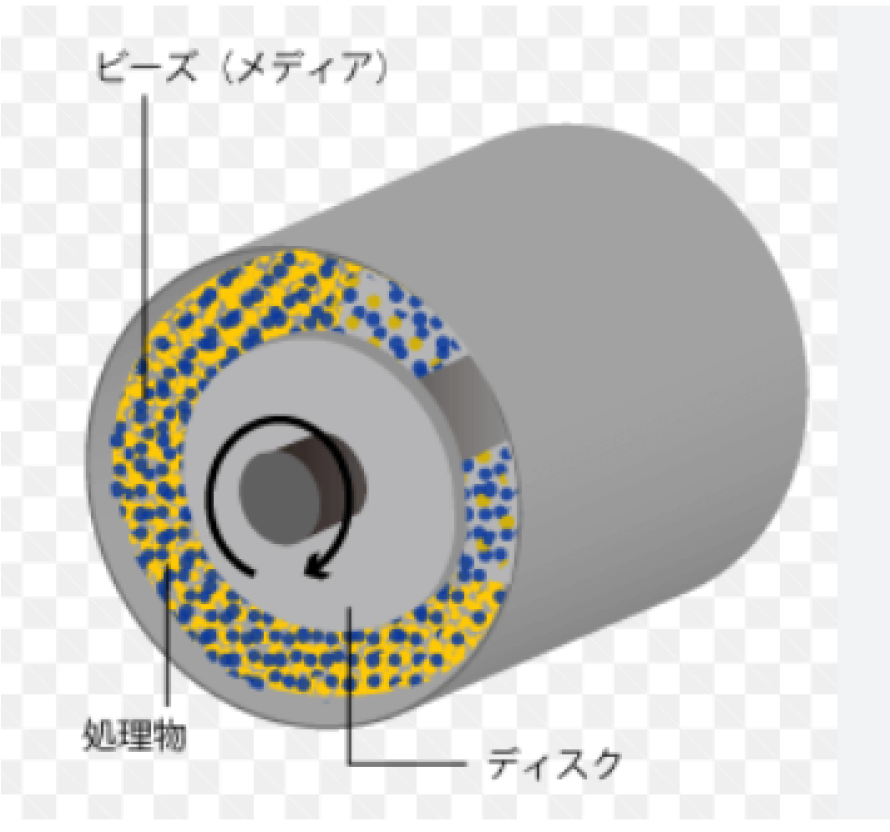
Bead mill
(Features)
A bead mill effectively grinds materials by rotating beads (small spherical particles) that provide internal friction and impact. This method allows for obtaining a uniform powder with relatively short processing time. Additionally, the beads uniformly contact and apply friction and impact to the materials, resulting in high particle size uniformity. This can lead to improved product quality and performance.This machine also has the effect of absorbing and cooling the heat generated by friction and impact. This prevents material degradation or alteration due to heat and ensures stability in the grinding process.Another feature is its structure that allows for relatively easy cleaning without materials getting stuck inside.

・Jet mill
(Features)

A jet mill is a method of finely pulverizing powder using the force of high-speed accelerated gas (usually compressed air or nitrogen gas). Specifically, the gas rotates at high speed inside the jet mill, providing high impact force to the material to transform it into a powdered state.
Due to the impact force from the gas jet, a jet mill generates fine particles uniformly. The narrow particle size distribution allows for obtaining electrode materials of uniform quality.
Furthermore, the low friction and heat generation in the pulverization process help maintain the material's quality. There is minimal risk of thermal degradation or changes in crystalline structure, ensuring that the characteristics of the finely pulverized electrode materials are not compromised. Being a sealed device, it minimizes the dispersion of dust and gas leakage during operation, improving safety in the working environment.

In addition to the above, various devices are employed for pulverization. Suggestions can include devices utilizing the expansion-contraction effect of bubbles (microbubbles) generated by